
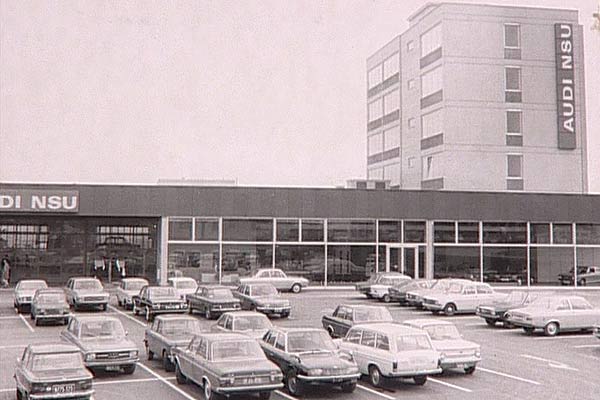
Bringing the company under one roof
In 1971, Louise Piëch and her brother, Professor Ferry Porsche, declared the withdrawal of all family members from operational functions - in both Salzburg and Stuttgart - and their transition to the supervisory boards of both companies. The handover to an independent management team was followed by a partial restructuring of the company and the later takeover of distribution for the Audi brand.
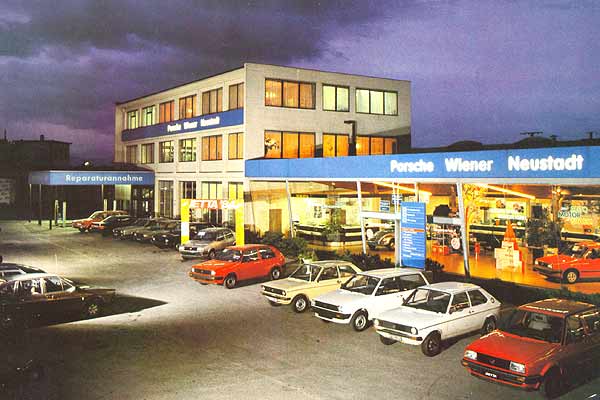
Porsche Holding is founded
As a result of significant corporate growth, Porsche Holding was founded in 1974 as the umbrella organisation for the Porsche Group in Austria. In addition, Porsche Austria was installed as VW importer, which considerably improved the competitiveness of the VW sales organisation in Austria owing to the further development of the distribution network there. At the same time it was possible to considerably improve the position of the Volkswagen brand in spite of immense increases in competition from companies in the Far East. Since 1977 diverse Porsche automotive businesses have been restructured to form Porsche Inter Auto.
New dimensions
Porsche used the extreme market fluctuations of the 1970s (produced by rapid rising turnover resulting from a hike in the VAT, which was followed a year later by a tremendous drop in sales) as a test-bed to hone the speed and flexibility of the sales organisation as a whole. In addition, a willingness to innovate was demonstrated through the first foray into other sectors (Portex). Porsche developed (on a small scale) a second business mainstay in supply and delivery (of parts for the 356 and later for the 911). Porsche started by investing in a number of Austrian industrial enterprises (Fichtel & Sachs, Alu Druck-Guss) and later acquired the German group of companies, Zipperle (1988), And with the purchase of Taylorix AG, the company gained a third cornerstone through expansion into the EDP sector. Shortly afterwards a world-wide restructuring took place in both sectors which led Porsche Holding to gradually withdraw from both.
The services sector develops
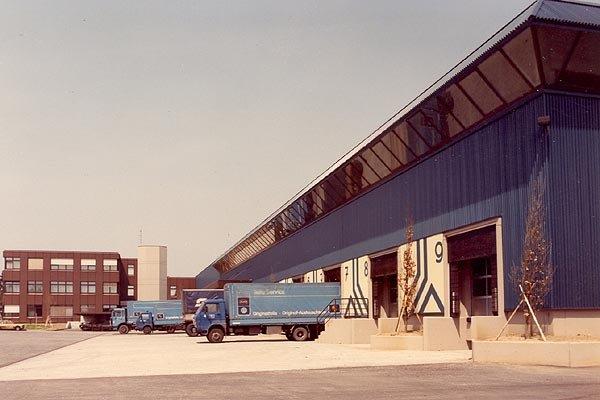
The 1980s were devoted to the development of Porsche Versicherungs AG and Porsche Bank AG, chiefly specialising in the automotive services sector. To date Porsche Bank has continued to retain its position as market leader in the domestic vehicle leasing market. The opening of the new parts sales centre also created a new dimension in logistics distribution, which years later became an important competitive advantage when markets in Eastern Europe opened up.
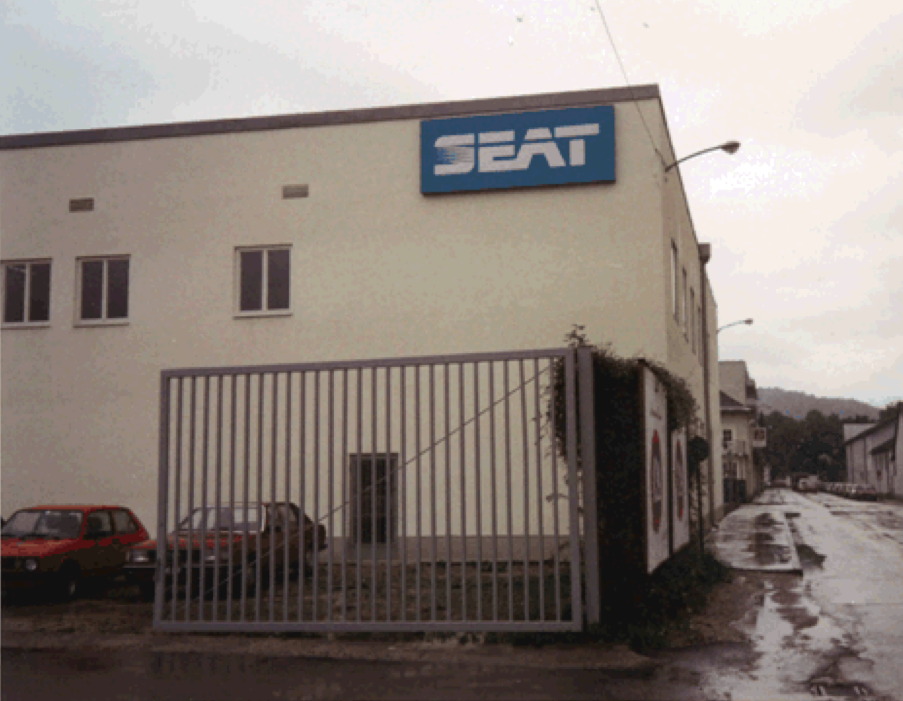
Integration of Spanish brand
In 1985 Porsche also took over sales of the Seat brand, installed an entirely new distribution network and successively expanded market share during the launch of the new generation of Seat models.
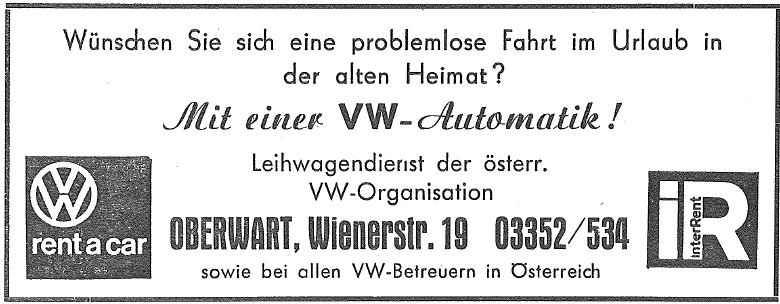
ARAC, the Austrian car rental company
In 1989 mobility services also underwent significant changes. The rental car service which the company had owned and been running since the 1960s joined ARAC GmbH and is now among the longest surviving car rental businesses in Austria. Since 2003 ARAC has been the Austrian licence holder of EUROPCAR, Europe's largest car rental organisation.
ŠKODA and Weltauto complement the portfolio
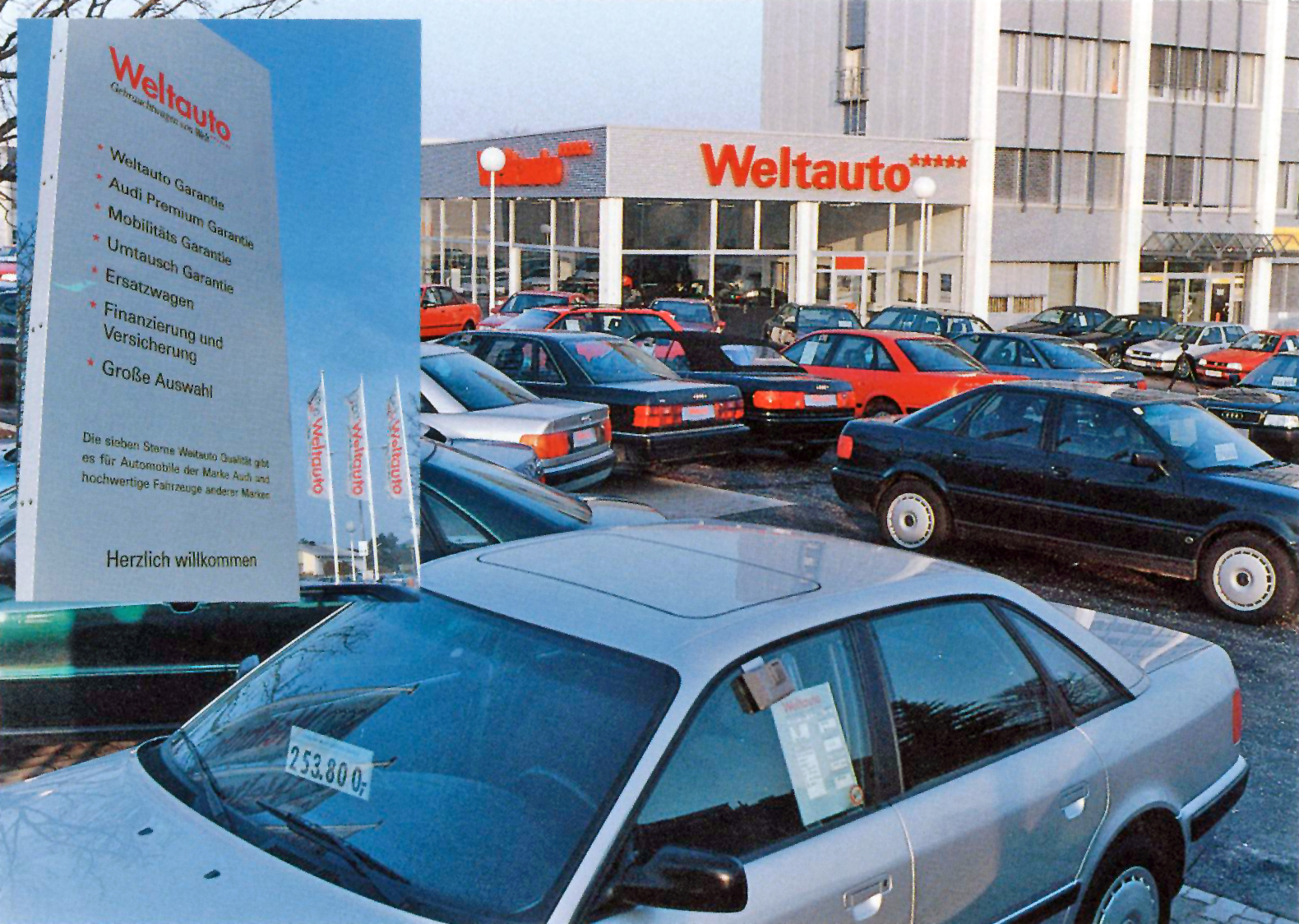
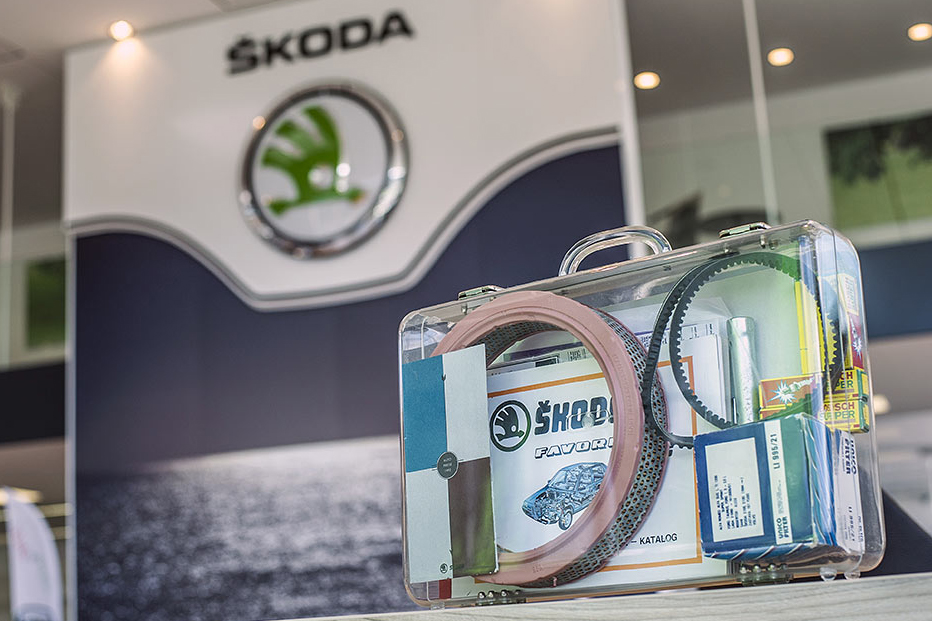
At the beginning of the 1990s the company in Austria concentrated on aggressively expanding its share in the used car market, through Weltauto. In addition, Intercar Austria GmbH started serving as Skoda general importer for Austria. With a wealth of ideas and know-how it was possible to create a sales and marketing concept tailored to the established Czech brand, allowing Skoda to quickly become a true insider tip in Austria, and later on - as the model programme continued to develop qualitatively - a genuine sales hit.
In 1996, the EDP business division, slowly developing since the late 1960s, was reshaped into a highly specialised service provider, Porsche Informatik, and has since made a name for itself as a manufacturer of software solutions in the automotive trade.

